Concise Summary
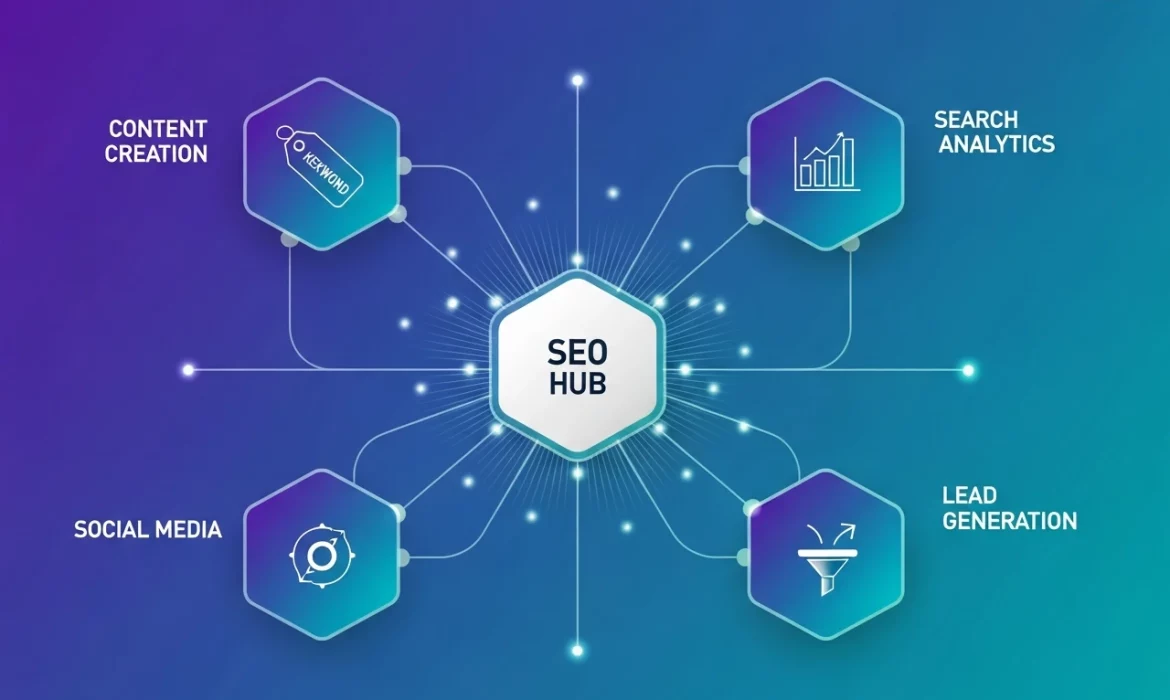
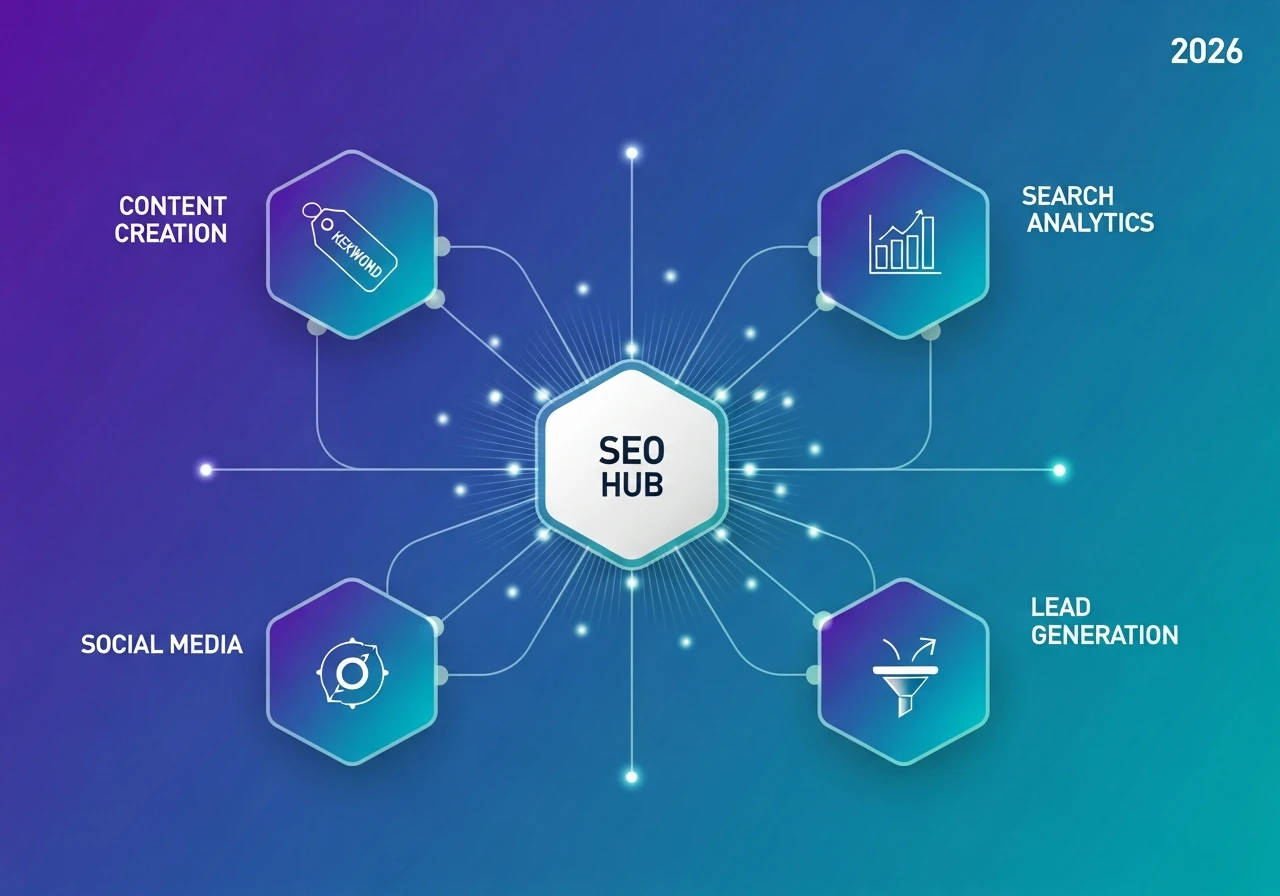
Inbound marketing and SEO have become inseparable in 2026. To win in the evolving digital landscape, brands must merge storytelling with search strategy. The future lies in building trust, creating content that solves real problems, and optimizing it for both humans and AI-driven search.
Why Inbound Marketing and SEO Are Closer Than Ever
A few years ago, SEO and inbound marketing ran on parallel tracks. SEO meant keywords and rankings. Inbound meant nurturing relationships through helpful content. In 2026, those lines have blurred.
Today, users expect brands to appear not only in search results but also in conversations, communities, and AI Overviews. That means your SEO performance is no longer just about technical optimization. It depends on how valuable and credible your content feels across touchpoints.
Inbound marketing fuels SEO by giving people what they’re truly searching for, not just queries, but answers, confidence, and trust.
The Foundation of a Modern Inbound Marketing Strategy
Inbound marketing revolves around attraction and value. It pulls people in rather than pushing messages out. In 2026, this philosophy is powered by data, AI tools, and authentic storytelling.
The Core Pillars of Inbound Marketing in 2026
- Attract: Use educational content to capture attention where intent begins.
- Engage: Build meaningful relationships through tailored touchpoints like newsletters, videos, and guides.
- Delight: Keep customers coming back through loyalty programs, exclusive resources, and community engagement.Each stage connects to SEO. The attraction phase depends on visibility. Engagement relies on relevance. Delight thrives on experience and retention signals, all of which strengthen organic performance.
Aligning Inbound Marketing with SEO Best Practices
Inbound and SEO now share one rule: quality over quantity. Rather than chasing keywords, brands focus on intent clusters, groups of related topics that match user needs.
When your inbound assets (blogs, ebooks, webinars) align with those clusters, you build topical authority. This authority helps your pages rank higher and appear in AI-generated search summaries.
SEO Best Practices That Power Inbound Marketing
Strong inbound marketing needs a solid SEO infrastructure. Without it, great content stays hidden.
Build Topical Authority Through Content Clusters
Topical authority is the new currency of search. Instead of publishing dozens of isolated blogs, brands now create interconnected clusters. A main “pillar” article covers a broad topic, and sub-articles explore related subtopics.
For instance, a fitness brand might have a pillar on “Holistic Health” linked to blogs about nutrition, workouts, and mindfulness. This structure helps Google and AI systems understand your expertise.
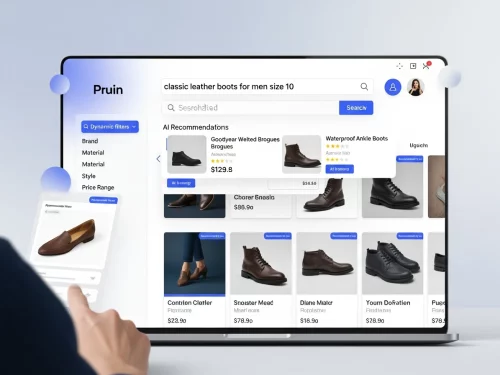
Optimize for Conversational and Visual Search
Voice and visual searches are reshaping how users discover content. To adapt, brands write in a natural tone, answer full questions, and include structured data for easy scanning.
Adding images with proper metadata, alt text, and captions makes your content discoverable across Google Lens and Pinterest.
Strengthen Your Technical SEO Foundation
All inbound marketing depends on access and speed. A technically sound website builds trust with both users and crawlers. Focus on:
- Mobile-first optimization
- Fast page loading times
- Proper indexing
- Secure HTTPS connection
- Integration with Google Search Console and Analytics for data feedback
These fundamentals amplify every inbound initiative that follows.
Content Marketing SEO for Real Organic Traffic Growth
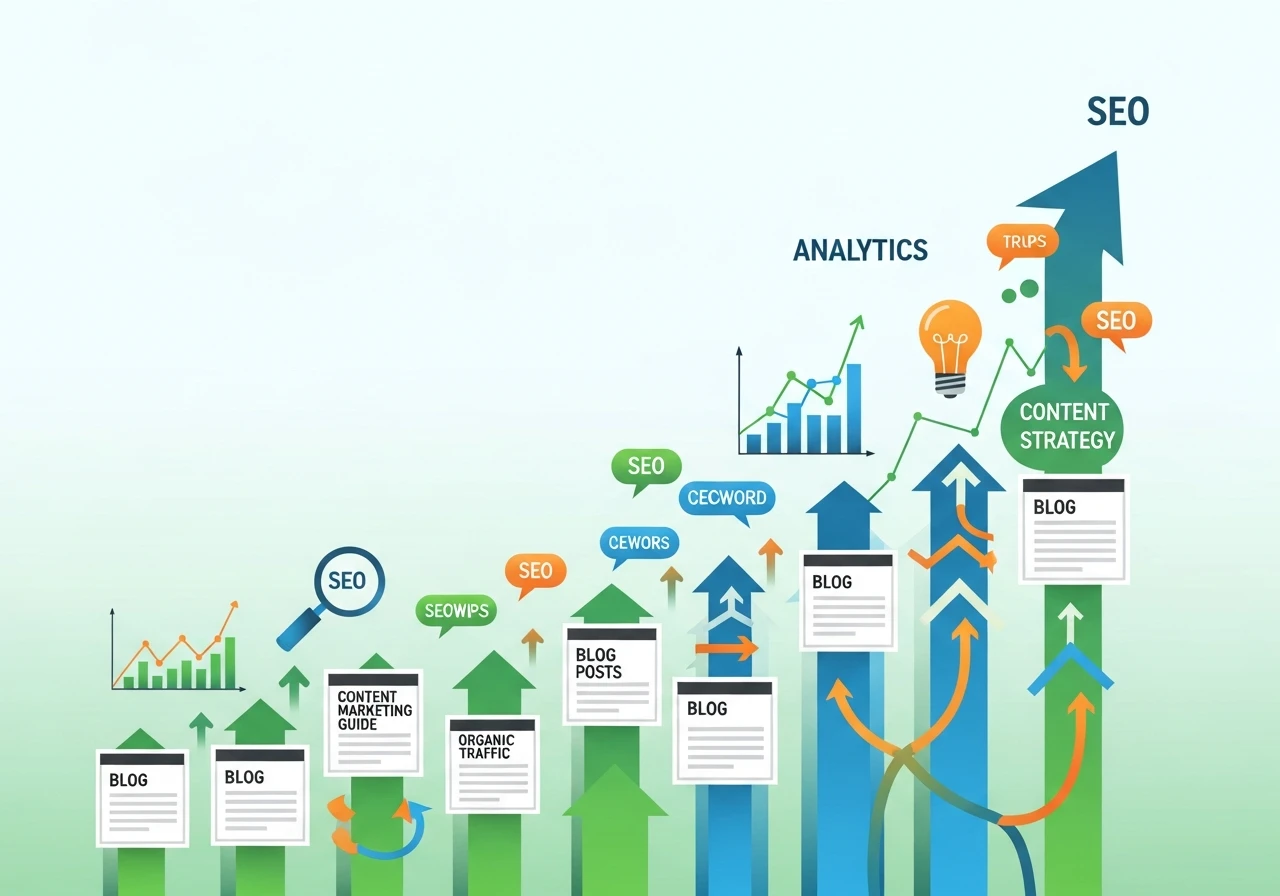
In 2026, content marketing SEO is about clarity, originality, and usefulness. Algorithms reward human-centered storytelling backed by verifiable expertise.
Crafting Authoritative, Human-First Content
The days of robotic keyword stuffing are gone. The winning formula combines experience with structured SEO.
Use clear subheadings, direct answers, and authentic insights from your brand’s experience. Add storytelling elements that make readers care.
AI can help with outlines or ideation, but real results come from original thought and human tone.
Repurposing Inbound Content Across Channels
A single blog can become a YouTube explainer, LinkedIn carousel, and newsletter piece.
This multi-format distribution increases visibility and builds authority across channels that AI search now references.
The more consistent and accessible your content, the more organic traffic it attracts.
Building Trust Through UGC and Customer Advocacy
Customer stories and reviews act as trust anchors. When integrated within your inbound content, they boost SEO signals like engagement and time on page.
Search engines prioritize brands that reflect real-world credibility, not just polished marketing language.
Using Analytics to Scale Organic Traffic Growth
To grow sustainably, measure what matters. Inbound marketing and SEO success depend on consistent evaluation.
Defining Key Metrics
Attribution Across the Funnel
Modern analytics connects SEO data to CRM platforms. You can see exactly which organic articles led to booked appointments or product sales. This clarity helps marketers refine the entire inbound cycle from awareness to conversion.
Predictive AI Analytics
AI tools can forecast when a topic’s interest is about to peak. This allows you to refresh content before competitors catch up. Predictive trend analysis helps maintain consistent growth without guesswork.
Inbound Marketing Meets SEO Automation
Automation is now essential for scalability.
AI Tools for Research and Optimization
Use AI to track keyword trends, detect SERP changes, and optimize content in real time. Tools like SurferSEO, Frase, and Clearscope automate keyword analysis while maintaining natural tone recommendations.
CRM and SEO Integration
Inbound automation works best when marketing data syncs with CRM insights. This lets you deliver personalized emails or retarget ads based on search behavior. A lead who downloaded a “Beginner’s Guide” can later receive advanced resources, reinforcing trust and authority.
Smart Reporting and Dashboards
Instead of static spreadsheets, use GA4 and Looker Studio dashboards. They visualize traffic sources, conversions, and ROI at a glance, making inbound results easier to communicate to stakeholders.
Adapting to the New SEO Landscape in 2026
SEO is no longer just about ranking first. It’s about earning visibility where users interact with information.
AI Overviews and Zero-Click Searches
Search results are shifting toward direct answers. To appear in AI Overviews, ensure your content has clear definitions, lists, and factual data.
The more structured and evidence-backed your writing, the more likely it is to be cited by AI systems.
Beyond Keyword Rankings
Metrics like engagement rate, brand mentions, and entity strength now matter as much as rankings. Focus on topic coverage and authority footprint rather than chasing a single keyword position.
Balancing Human Creativity with AI Efficiency
AI helps scale, but humans build trust. Your writing style, opinion, and authenticity make your brand memorable. Keep AI as an assistant, not a replacement.
Future of Inbound Marketing and SEO Beyond 2026
The next phase of inbound and SEO will revolve around transparency and personalization.
- Generative Search Optimization: Create content designed for conversational AI.
- Author and Brand Entities: Optimize for verified experts rather than anonymous publishing.
- Sustainable Growth: Focus on evergreen content that compounds value year after year.Inbound and SEO will continue evolving, but the core principle remains: helpful content earns visibility.
How EvenDigit Helps Brands Grow with Inbound + SEO
At EvenDigit, we merge inbound storytelling with deep SEO expertise. Our team helps brands build trust through data-driven content strategies, performance-focused SEO, and AI-led insights.
Whether it’s boosting your domain authority, improving conversions, or future-proofing your inbound marketing strategy, we craft solutions built for sustained growth.
Ready to align your inbound marketing with next-generation SEO? Let’s build your growth strategy for 2026 and beyond.
FAQs
- What is inbound marketing in 2026?
Inbound marketing focuses on drawing and converting customers through valuable, personalized content rather than direct ads. - How does SEO strengthen inbound marketing?
SEO ensures your inbound content is visible and discoverable, turning helpful assets into continuous traffic generators. - What are the latest SEO best practices?
Focus on topical authority, structured data, conversational optimization, and fast, mobile-friendly websites. - How can content marketing SEO improve organic growth?
By aligning storytelling with search intent, you increase visibility and build long-term credibility. - How long does it take to see results?
Inbound and SEO strategies typically show consistent growth in 3–4 months, compounding significantly over time.