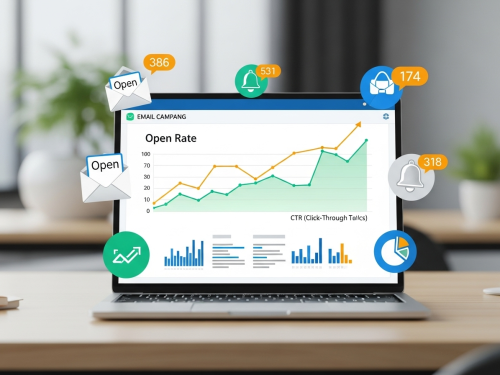

In today’s competitive digital landscape, guessing your way through marketing no longer works. Brands that win are those that rely on data-driven digital marketing — using analytics, customer insights, and performance trends to guide every decision. Whether you want to improve conversions, personalize user experiences, or increase ROI, data-backed strategies help you achieve measurable and scalable results.
This blog breaks down the importance of data-driven digital marketing strategies, the key benefits of adopting a data-first approach, and how professional data driven marketing agencies help businesses turn raw data into actionable growth opportunities. If you’re looking to upgrade your data driven digital marketing services, this guide will show you exactly where to start.
What Is Data-Driven Digital Marketing and Decision Making?

Data-driven decision-making (DDDM) is the method of using data to guide strategic decisions in your digital marketing campaigns. It involves researching and analyzing metrics to understand what strategies are working and what aren’t.
This approach helps in planning, upgrading, or refining campaigns by basing decisions on solid data rather than intuition. It ensures that every action taken is backed by factual evidence for better outcomes.
Why Data-Driven Digital Marketing Strategies Are Essential for Business Success
Did you know 64% of marketing leaders consider data-driven digital marketing essential for growth? In an environment where customer behavior changes rapidly and competition is intense, making decisions based on guesswork no longer works. Businesses that adopt data-driven digital marketing strategies gain clarity, accuracy, and measurable results. Here’s why data-led campaigns are crucial for long-term success:
1. Accurate Planning & Smarter Decision-Making
A data-driven approach helps you create campaigns with precision instead of assumptions. By analyzing real performance trends, customer actions, and market insights, you can plan digital strategies that actually work. This results in campaigns built on evidence, not intuition, increasing your chances of success from day one.
2. Strong Competitive Advantage
In today’s saturated digital marketplace, brands that leverage data react faster and make smarter moves. Data-driven marketing helps you identify opportunities your competitors may overlook—from shifting audience interests to emerging buying patterns. This gives you a clear competitive edge and helps you stay ahead of industry trends.
3. Deeper Customer Understanding
Effective marketing starts with understanding your audience. Data reveals customer behavior, intent, preferences, and pain points—allowing you to deliver content and offers that truly resonate. With data-driven digital marketing services, businesses can create highly relevant customer journeys that build trust and long-term loyalty.
4. Better Targeting and Personalization
One of the biggest benefits of data-driven marketing is precision. You know exactly who to target, where to reach them, and what message converts best. This leads to hyper-personalized campaigns that feel more human and relevant—resulting in higher engagement, stronger connections, and improved conversions.
5. Efficient Budget Allocation
A data-first approach ensures your marketing budget is used wisely. By identifying which channels, creatives, and audiences deliver the best results, you can eliminate wasteful spending and invest only in what drives performance. This makes your digital campaigns more cost-effective and maximizes ROI.
6. Higher ROI & Sustainable Revenue Growth
Data-driven optimization helps you continuously improve your marketing performance. By tracking KPIs, measuring impact, and refining strategies in real time, you unlock greater ROI and long-term growth. Businesses that embrace data-driven digital marketing strategies consistently outperform those that rely on intuition alone.
Benefits of Data-Driven Marketing
Data-driven marketing empowers businesses to move away from assumptions and make every decision based on facts, patterns, and measurable insights. Whether you’re improving customer experiences or optimizing campaigns, leveraging data transforms how effectively you market and grow your business. Here are the key benefits:
1. Improved Customer Targeting
With accurate data, you can identify who your audience truly is—what they search for, how they behave, and what motivates them. This allows you to deliver campaigns that reach the right people at the right time with maximum impact.
2. Enhanced Personalization
Personalized marketing is no longer optional. Data helps create highly relevant content, product recommendations, and messages tailored to individual user behavior, boosting engagement and conversion rates.
3. Smarter Budget Allocation
Data-driven insights reveal which platforms, audiences, and campaigns deliver the highest ROI. This helps you eliminate wasteful spending and invest more into the strategies that actually bring results.
4. Increased Marketing Efficiency
By analyzing metrics like CTR, conversion rates, and bounce rates, businesses can quickly identify what works and what doesn’t. This leads to faster decision-making, optimized workflows, and more efficient campaign execution.
5. Higher Conversion Rates
Using real-time data, you can track user interactions and refine campaigns to improve conversions. When your message aligns with user intent, the chances of converting them into customers dramatically increase.
6. Better Customer Experience
Data helps you understand customer needs and frustrations. This enables you to create seamless experiences across all touchpoints—whether in ads, emails, landing pages, or website interactions.
7. Strong Competitive Advantage
Companies that rely on data react faster to market trends and consumer behavior shifts. This agility gives you a significant edge over competitors still relying on guesswork or outdated strategies.
8. Continuous Improvement Through Analytics
Data-driven marketing is not a one-time effort. The more data you collect, the more insights you gain. It allows businesses to refine campaigns continuously and scale what works over time.
Why Businesses Need Data-Driven Digital Marketing Services in 2025–26
The digital landscape is changing faster than ever. With the rise of AI-driven recommendations, privacy-focused advertising, and shifting consumer behaviors, the years 2025–26 will demand a smarter, more analytical marketing approach. This is exactly why businesses must rely on data-driven digital marketing services to stay competitive and profitable.
1. AI and Automation Are Reshaping Customer Journeys
In 2025–26, AI-powered algorithms will influence almost every consumer touchpoint—from search results to product suggestions. Businesses that use data-driven marketing strategies can adapt their campaigns in real time, personalize experiences at scale, and connect with customers at the right moment with the right message.
2. Privacy Changes Require Smarter Targeting
With stricter privacy laws, reduced third-party data, and evolving platform restrictions, traditional targeting is becoming less effective. A data-driven digital marketing agency helps businesses build first-party data systems, enhance consent-based tracking, and target customers using ethical, compliant, and high-conversion methods.
3. Increasing Competition Across All Digital Channels
More businesses are investing in digital marketing than ever before. To stand out, brands need campaigns backed by detailed analytics—not guesswork. Data-driven digital marketing services help identify the most profitable channels, audiences, and creatives so businesses achieve better ROI even in crowded markets.
4. Customers Expect Hyper-Personalized Experiences
Today’s consumers want brands to understand their needs before they even express them. By leveraging behavioral data, purchase history, and intent signals, businesses can create tailored content, offers, and journeys that feel genuinely personal. This level of relevance is only possible through data-driven digital marketing.
5. Rising Ad Costs Demand More Efficient Spending
As advertising on Google, Meta, and Instagram becomes more expensive, every dollar must count. Data helps identify high-performing segments, reduce wasted spend, and optimize campaigns for maximum impact—ensuring your marketing budget works harder for you.
6. Real-Time Insights Enable Faster Growth
Instead of waiting weeks to evaluate performance, data-driven tools offer instant visibility into what’s working and what isn’t. This empowers businesses to pivot quickly, scale winning campaigns, and maintain consistent growth, even in unpredictable markets.
How to Create a Successful Data-Driven Digital Marketing Plan?

Before diving into the specific marketing analytics best practices for various digital marketing strategies, it’s crucial to grasp the process of data-driven decision-making.
Here’s a refined, expert-level approach crafted by data-driven digital marketing agencies to ensure your marketing strategies are robust and effective and you enjoy the benefits of data-driven decision-making:
1. Set Clear Objectives
Precisely define your marketing goals. Whether it’s increasing website traffic, improving conversion rates, or boosting social media engagement, having specific, measurable objectives is essential.
This clarity ensures your data collection and analysis efforts are laser-focused.
2. Collect Relevant Data
Employ advanced tools like Google Analytics, Ahrefs, and SEMrush to gather comprehensive data. Focus on metrics that align with your objectives, such as user behavior, traffic sources, and keyword performance.
Ensure your data is accurate, relevant, and timely.
3. Analyze the Data
Conduct in-depth analyses to uncover trends, patterns, and anomalies. Utilize sophisticated data visualization tools and statistical methods to interpret complex datasets, transforming raw data into actionable insights.
This step involves not just surface-level observations but deep analytical rigor.
4. Generate Insights
Gather insightful information that can guide strategic choices. For instance, if data indicates a high bounce rate on key landing pages, delve into the specifics to understand underlying causes and potential solutions.
Insights should be precise, actionable, and directly linked to your objectives.
5. Develop a Strategy
Formulate a data-driven marketing strategy that leverages these insights. This involves outlining detailed actions, such as optimizing keywords, enhancing user experience, or adjusting content strategies.
Ensure your plan is comprehensive, scalable, and adaptable to changing data trends.
6. Implement the Strategy
Execute your marketing plan with precision, ensuring alignment across all team members and stakeholders. Use project management and collaboration techs to streamline implementation, track progress, and maintain accountability.
Execution should be seamless, coordinated, and efficient.
7. Monitor and Adjust
Constantly monitor the performance using real-time data. Establish a robust feedback loop to make iterative improvements based on ongoing data analysis.
Regularly examine and adjust your approach to ensure sustained effectiveness and alignment with your goals.
Also Read: Why is Partnering with a Digital Marketing Agency Essential in 2025 and Beyond?
Best Practices for Making Data-Driven Decisions
In this section, we will provide an overview of how to conduct effective marketing data analysis tailored to your specific campaigns.
We will also introduce some essential data-driven digital marketing solutions and tools to help you perform these analyses accurately and efficiently without misinterpretation.
1. Data-Driven Decision-Making in SEO
Data is important in SEO since it provides insights into how effectively your website is performing and identifies development opportunities. Effective data analysis may help you optimize your website for greater search engine rankings and a better user experience.
Without data-driven decision-making, SEO efforts can be misguided, leading to poor rankings, decreased traffic, and wasted resources.
Key Metrics for SEO
- Keyword Rankings
- Organic Traffic
- Bounce Rate
- Click-Through Rate (CTR)
- Backlinks
- Page Load Time
- User Intent
Tools for SEO Data Analysis
- Google Analytics
- Ahrefs
- Moz
- SEMrush
- Google Search Console
- Screaming Frog
Best Practices for Using Data to Optimize On-Page and Off-Page SEO Strategies:
- Advanced Keyword Research: Use tools like SEMrush and Ahrefs to identify long-tail keywords and user intent. Implement these keywords strategically across your content to capture more targeted traffic.
- Content Gap Analysis: Perform a content gap analysis using Ahrefs or SEMrush to identify keywords and topics your competitors are ranking for but you are not. Create high-quality content to fill these gaps.
- User Behavior Analysis: Use heatmaps and session recordings with tools like Hotjar to understand how users interact with your site. Optimize your layout and content based on these insights to improve user experience and engagement.
- Technical SEO Audits: Regularly perform comprehensive technical SEO audits using Screaming Frog to identify and fix issues like crawl errors, duplicate content, and broken links.
- Predictive Analytics: Leverage machine learning tools to predict future trends and search patterns. Use this data to stay ahead of the competition by anticipating changes in user behavior and search algorithms.
- Entity-Based SEO: Focus on optimizing for entities and topics rather than just keywords. Use tools like InLinks to understand and optimize your content around entities, improving relevance and search visibility.
- Backlink Quality Analysis: Go beyond the number of backlinks and analyze their quality and relevance. Use Majestic to assess the trust flow and citation flow of your backlinks and focus on acquiring high-authority links.
- Semantic Search Optimization: Optimize your content for semantic search by incorporating related terms and concepts. Use tools like MarketMuse to identify semantic keywords and improve content depth.
2. Data-Driven Decision Making in Social Media Marketing
Data is essential for understanding audience engagement and optimizing social media strategies. It helps in developing content that resonates with your audience and improves your brand’s reach.
Without data-driven insights, social media marketing can become ineffective, leading to low engagement and poor ROI.
Important Metrics for Social Media
- Engagement Rate
- Reach
- Impressions
- Follower Growth
- Click-Through Rate (CTR)
- Conversion Rate
- Sentiment Analysis
Tools for Social Media Analytics
- Hootsuite
- Sprout Social
- Buffer
- Socialbakers
- Google Analytics
- Brandwatch
Best Practices for Using Data to Devise and Optimize Social Media Content and Campaigns:
- Audience Segmentation: Use advanced segmentation techniques to create highly targeted audience groups. Tools like Sprout Social can help you analyze demographic and psychographic data for precise targeting.
- Sentiment Analysis: Monitor and analyze sentiment around your brand and campaigns using tools like Brandwatch. Adjust your messaging and strategy based on audience sentiment to improve engagement.
- Influencer Analysis: Use data to identify and engage with influencers who have a significant impact on your target audience. BuzzSumo is a tool that may help you locate influencers and assess their reach and engagement.
- Content Performance Prediction: Use AI technologies like Cortex to forecast which sorts of content will work best based on past performance and current trends. Use these predictions to inform your content strategy.
- Social Listening: Implement advanced social listening techniques to track conversations and trends related to your industry. Use insights from tools like Mention to adjust your strategy in real-time.
- Cross-Platform Analytics: Integrate data from multiple social media platforms to get a comprehensive view of your performance. Use tools like Hootsuite Impact to measure and compare performance across channels.
- User-Generated Content (UGC): Analyze the impact of user-generated content on your brand. Encourage and curate UGC to increase authenticity and engagement.
- Video Analytics: Use advanced video analytics to measure the engagement and effectiveness of video content. Tools like Vidyard can provide detailed insights into viewer behavior and interaction.
3. Data-Driven Paid Media Optimization: Strategies for SEM & Social Ads
Data-driven decision-making is crucial in paid advertising to ensure your budget is spent efficiently and your ads reach the right audience.
Without data insights, paid advertising can lead to wasted spend, poor targeting, and low conversion rates.
Key Metrics for Paid Advertising
- Cost Per Click (CPC)
- Click-Through Rate (CTR)
- Conversion Rate
- Return on Ad Spend (ROAS)
- Impressions
- Ad Quality Score
- Customer Lifetime Value (CLTV)
Tools for Ad Performance Tracking
- Google Ads
- Facebook Ads Manager
- LinkedIn Campaign Manager
- Twitter Ads
- Microsoft Advertising
- AdEspresso
Best Practices for Leveraging Data for Targeting, Budgeting, and Ad Creative Optimization:
- Advanced Targeting: Use audience segmentation and lookalike audiences to refine targeting. Tools like Facebook Ads Manager provide detailed targeting options based on user behavior and demographics.
- Real-Time Bidding Adjustments: Implement automated bidding strategies that adjust in real-time based on performance data. Google Ads’ Smart Bidding can help optimize bids for conversions and value.
- A/B Testing and Multivariate Testing: Continuously run A/B and multivariate tests on ad creatives, landing pages, and audience segments. Use tools like AdEspresso to manage and analyze these tests efficiently.
- Attribution Modeling: Use advanced attribution models to understand the customer journey and allocate credit accurately across multiple touchpoints. Google Analytics and Adobe Analytics offer sophisticated attribution modeling tools.
- Dynamic Ad Personalization: Implement dynamic ad personalization based on user behavior and preferences. Dynamic Yield, for example, may assist in building individualized ad experiences that increase engagement and conversions.
- Lifetime Value Targeting: Focus on acquiring customers with high lifetime value (CLTV) rather than just immediate conversions. Use predictive analytics to identify and target these high-value segments.
- Advanced Budget Allocation: Use machine learning algorithms to allocate budgets dynamically across campaigns based on real-time performance data. Tools like Marin Software can assist in optimizing budget distribution.
- Programmatic Advertising: Leverage programmatic advertising platforms to automate the buying of ad space. This allows for more efficient targeting and real-time optimization based on data.
4. Data-Driven Decision-Making in Content Marketing
Advanced data-driven strategies in content marketing can significantly enhance audience engagement and conversion rates by leveraging deeper insights and predictive analytics. This is the power of a well-planned data-driven content strategy, where every decision is backed by data to drive better results.
Without advanced data insights, content marketing efforts can be misaligned with audience interests, resulting in low engagement and ineffective campaigns.
Important Metrics for Content Performance
- Time on Page
- Social Shares
- Lead Generation
- Bounce Rate
- Conversion Rate
- Content Virality
- Content Score
Tools for Content Analytics
- Google Analytics
- BuzzSumo
- SEMrush
- HubSpot
- ContentSquare
- MarketMuse
Best Practices for Using Data to Guide Content Creation, Distribution, and Optimization:
- Predictive Content Analytics: Use predictive analytics to forecast which types of content will perform best. Tools like MarketMuse analyze vast amounts of data to provide content recommendations that are likely to succeed.
- Content Scoring: Implement content scoring systems to evaluate the effectiveness of your content. Tools like HubSpot can help assign scores based on various performance metrics, guiding future content creation.
- Topic Clustering: Use topic clustering to organize your content around key themes. This approach improves SEO and provides a better user experience. Tools like SEMrush can help identify and optimize content clusters.
- Behavioral Analytics: Analyze user behavior on your website to find out how users interact or engage with your content. Tools like ContentSquare provide in-depth insights into user journeys and interactions.
- Content Personalization: Implement content personalization strategies based on user data. Use tools like Optimizely to deliver personalized content experiences that increase engagement and conversions.
- Advanced A/B Testing: Continuously run advanced A/B tests on content elements such as headlines, images, and CTAs. Use insights from tools like VWO to optimize content performance.
- Voice Search Optimization: Improve your content’s voice search effectiveness by including queries based on natural language and long-tail keywords. Use data from tools like AnswerThePublic to understand common voice search phrases.
- Content Automation: Leverage AI-driven content automation tools to streamline content creation and distribution. Tools like Automated Insights can generate data-driven content at scale.
5. Data-Driven Decision-Making in Video Marketing
Advanced data-driven insights are required to create video content that not only draws viewers but also generates conversions and supports overall marketing objectives.
Without data, video marketing efforts can miss critical opportunities, resulting in low engagement and ineffective campaigns.
Key Metrics for Video Performance
- View Count
- Watch Time
- Engagement Rate
- Click-Through Rate (CTR)
- Conversion Rate
- Audience Retention
- Social Shares
Tools for Video Analytics
- YouTube Analytics
- Wistia
- Vidyard
- Vimeo Analytics
- Google Analytics
- Tubular Insights
Advanced Best Practices for Using Data to Enhance Video Content Strategy and Production
- Advanced Viewer Segmentation: Use tools like Vidyard to segment your audience based on viewing behavior and engagement levels. Tailor your video content to different segments for higher relevance and impact.
- Predictive Video Analytics: Leverage predictive analytics to forecast which video topics and formats will perform best. Tools like Tubular Insights analyze trends and viewer preferences to provide actionable recommendations.
- Interactive Video Elements: Incorporate interactive elements such as polls, quizzes, and CTAs within your videos. Use data to measure engagement with these elements and refine your approach.
- Heatmap Analysis: Use heatmap analysis to understand which parts of your videos are most engaging. Tools like Wistia provide heatmaps that show where viewers are most engaged or dropping off.
- Cross-Platform Performance Tracking: Track video performance across multiple platforms to get a holistic view of your audience’s preferences. Use tools like Tubular Insights to compare performance on YouTube, Facebook, and other channels.
- Personalized Video Content: Create personalized video content based on user data. Tools like Vidyard can help deliver personalized video experiences that increase engagement and conversions.
- Advanced A/B Testing for Videos: Continuously run A/B tests on video thumbnails, titles, and descriptions. Use data from these tests to optimize video elements for higher engagement and click-through rates.
- SEO for Video Content: Use relevant keywords in your video’s names, descriptions, and tags to improve its search engine ranking. Tools such as TubeBuddy can assist with keyword research and optimization.
Overcoming Challenges in Data-Driven Marketing
While data-driven digital marketing offers significant advantages, it also comes with its own set of challenges. Understanding and overcoming these hurdles can make your marketing efforts more effective and streamlined.
- Data Privacy and Compliance
The collection and use of data must comply with privacy regulations like GDPR and CCPA. Ensuring that your marketing strategies adhere to these rules is crucial to avoid legal issues and build trust with your customers. - Data Quality
Poor data quality can lead to inaccurate insights and misguided marketing decisions. Ensuring that your data is clean, accurate, and up-to-date is critical for effective decision-making. - Skill Gap
A lack of skilled professionals can hinder your ability to leverage data effectively. It’s essential to invest in training or hire experts who can analyze and interpret data properly for successful digital marketing strategies. - Data Integration
Integrating data from various sources can be a complex task. To create a holistic view of customer behavior, it’s important to ensure that data from different platforms and systems is properly integrated and aligned. - Data Overload
With the vast amount of data available, businesses may suffer from data overload. Filtering out the noise and focusing on the most relevant data is key to making informed, data-driven decisions.
Benefits of Partnering with a Data-Driven Digital Marketing Agency
n today’s fast-paced digital landscape, relying on guesswork can lead to missed opportunities and wasted budgets. That’s where a data-driven digital marketing agency becomes invaluable. These agencies blend creativity with deep analytical insight to deliver measurable, impactful results.
1. Strategic, Insight-Backed Campaigns
A data-driven agency doesn’t just run campaigns—they build strategies rooted in real-time data. From keyword trends to customer behavior analytics, every decision is based on solid evidence, ensuring your efforts are optimized from day one.
2. Faster and Smarter Decision-Making
With access to advanced analytics tools and performance dashboards, your marketing team can pivot quickly when campaigns underperform. Real-time monitoring enables proactive adjustments that save time and budget.
3. Optimized Paid Media and Ad Spend
Through precise targeting and continual A/B testing, data-driven agencies ensure every dollar you spend delivers maximum value. This includes refining bidding strategies, creatives, and audience segments for higher ROI across paid media platforms.
4. Greater Personalization at Scale
By leveraging user data like demographics, behavior, and engagement patterns, agencies can craft highly personalized experiences—boosting engagement, conversion rates, and brand loyalty.
5. Clearer Attribution and ROI Tracking
Know exactly what’s driving results. Data-driven agencies implement advanced attribution models, so you can confidently track campaign impact across all touchpoints—SEO, paid ads, email, and social media.
6. Scalability and Long-Term Growth
A data-first approach isn’t just about quick wins. It lays a strong foundation for sustainable growth. Agencies use historical data and predictive analytics to forecast trends, helping you stay ahead of the curve.
Ready to Transform Your Marketing With Data-Driven Strategies? Partner With Evendigit
Data-driven marketing isn’t just a trend—it’s the future of business growth. Whether you’re struggling with stagnant campaigns, unclear analytics, or rising ad costs, Evendigit helps you turn raw data into clear, profitable marketing strategies.
At Evendigit, our data-driven digital marketing services combine advanced analytics, deep audience insights, and performance-focused execution to help businesses achieve measurable results. From building customized dashboards to optimizing campaigns across Google, Meta, LinkedIn, and YouTube, we ensure every marketing dollar is invested smartly.
Why Brands Choose Evendigit:
-
Proven data-driven marketing frameworks
-
Transparent reporting with real-time dashboards
-
ROI-focused paid and organic strategies
-
Experienced team across SEO, PPC, Social, and CRO
-
Tailored campaigns aligned with your business goals
If you’re ready to take the guesswork out of your marketing and scale with confidence, Evendigit is the data-driven marketing agency you can trust.
👉 Let’s build smarter strategies together — Get your free consultation today.