Summary:
Marketing automation helps ecommerce brands increase sales, speed up workflows, and create personalized customer journeys at scale. It removes repetitive tasks, improves targeting, and ensures buyers get the right message at the right time.
Introduction
Running an ecommerce brand today means juggling hundreds of moving parts at once.
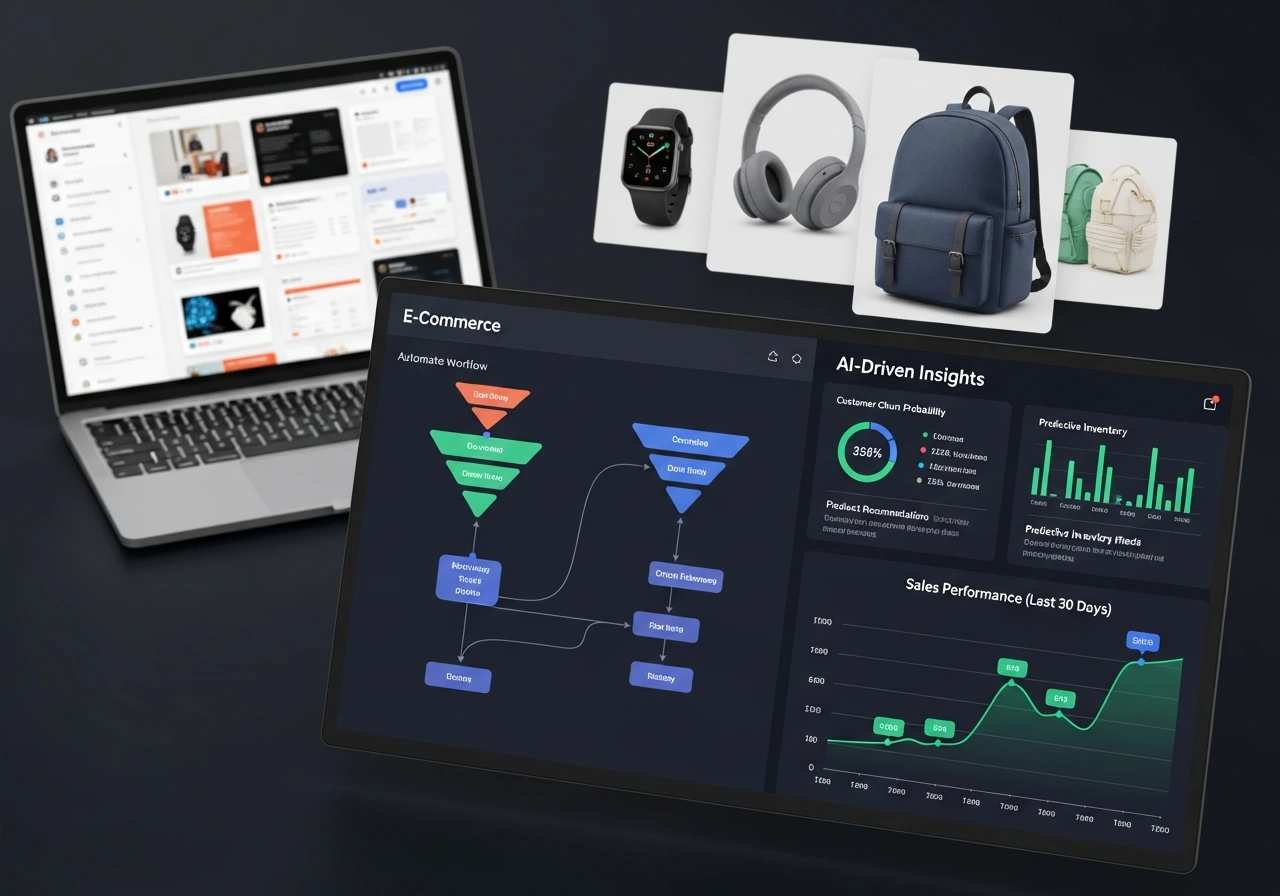
New visitors arrive, old customers drop off, carts get abandoned, reviews need responses, and campaigns have to run across email, SMS, social media, and paid channels. Doing all of this manually slows growth and creates gaps in the customer journey.
Marketing automation solves these problems by automating repetitive tasks and delivering personalized messages.
It runs in the background, boosts conversions, and delivers the smooth experience customers expect. More importantly, it gives brands the freedom to focus on strategy instead of day-to-day operations.
This guide breaks down how ecommerce automation works, the workflows that drive the highest revenue, and the tools that help brands operate faster, more precisely, and with greater consistency.
What Is Ecommerce Automation and Why Does It Matter Today?
Marketing automation in ecommerce means using tools and workflows to handle repetitive marketing tasks automatically.
Instead of manually sending emails or checking abandoned carts, automation takes over and reacts to customer behavior in real time. This makes your marketing faster, smarter, and more consistent.
Ecommerce brands rely on automation because shoppers expect quick answers, personalized offers, and smooth experiences. Manual work cannot match this speed or precision, which is why automation has become a core requirement for modern online stores.
How Ecommerce Automation Increases Sales
Automation works calmly in the background, but its impact on sales is immediate. Here is how it helps your store earn more revenue without increasing workload.
1. Converts more abandoned carts
Most shoppers add products to the cart and leave. Automated cart recovery emails and messages gently remind them to return. Adding incentives like free shipping or small discounts increases conversion rates further.
2. Personalizes product recommendations
Automation tools analyze browsing patterns, purchase history, and customer behavior. Based on this data, your store can show personalized product suggestions that feel relevant to each shopper.
3. Improves customer lifetime value
Post-purchase automation keeps the relationship alive. Follow-up emails, how-to use guides, reorder reminders, and loyalty offers help customers return more often.
4. Nurtures leads at every stage of the funnel
Instead of sending random emails, automation delivers messages suited to each buyer stage. Cold visitors get educational content, browsers get product recommendations, and cart abandoners get reminders.
5. Makes upselling and cross-selling natural
When buyers finish a purchase, automation can show complementary products or higher value alternatives. This increases average order value without feeling pushy.
How Ecommerce Automation Improves Efficiency
Automation frees up time and reduces manual errors. This lets your team concentrate on strategy and creative work instead of operational tasks.
1. Saves hours of repetitive work
Welcome emails, order confirmations, shipping updates, product announcements, and feedback requests run automatically. Your team only supervises the performance.
2. Reduces human mistakes
Manually sending discounts or handling segmentation can lead to errors. Automation follows strict rules and keeps everything consistent.
3. Creates unified multi-channel campaigns
Automation helps coordinate email, SMS, push notifications, and social ads. This ensures the same message reaches the customer across all channels.
4. Provides data-driven insights
Automation platforms give dashboards that show conversion rates, revenue from flows, customer behavior patterns, and engagement metrics. These insights help refine campaigns.
Essential Marketing Workflows Every Ecommerce Brand Should Automate
These workflows deliver the highest ROI for ecommerce automation. They also reduce manual load while improving customer experience.
1. Welcome series
A warm introduction that tells your brand story, highlights top sellers, and offers a first purchase discount.
2. Abandoned cart flow
A sequence of reminders that guide customers back to their cart and reduce revenue loss.
3. Browse abandonment flow
Triggered when visitors view products but do not add them to the cart. This increases product page conversions.
4. Post-purchase follow-up
Includes thank you messages, educational content, product care tips, and review requests.
5. Win back campaigns
Re-engages customers who have not purchased for a long time with tailored offers or reminders.
6. Upsell and cross-sell flows
Recommends products that match the customer’s interests and past purchases.
7. Loyalty and rewards automation
Automatically assigns points, sends reward reminders, and triggers exclusive offers.
AI Ecommerce Tools That Strengthen Automation
AI has changed ecommerce automation. Tools now understand behavior in deeper ways and help improve predictions and personalization.
1. AI product recommendation engines
These tools suggest the most relevant items based on browsing, buying history, and real-time intent.
2. AI audience segmentation
AI identifies micro-segments that humans might overlook. This helps improve targeting and reduces wasted effort.
3. Predictive analytics
AI predicts churn, likelihood to buy again, and ideal times for engagement. This helps plan retention campaigns.
4. Dynamic pricing tools
Some AI tools update product prices dynamically based on inventory, demand, and competitor trends.
5. AI for SMS and email content
AI helps generate personalized messages, subject lines, and product recommendations at scale.
Best Practices for Designing Automated Campaigns
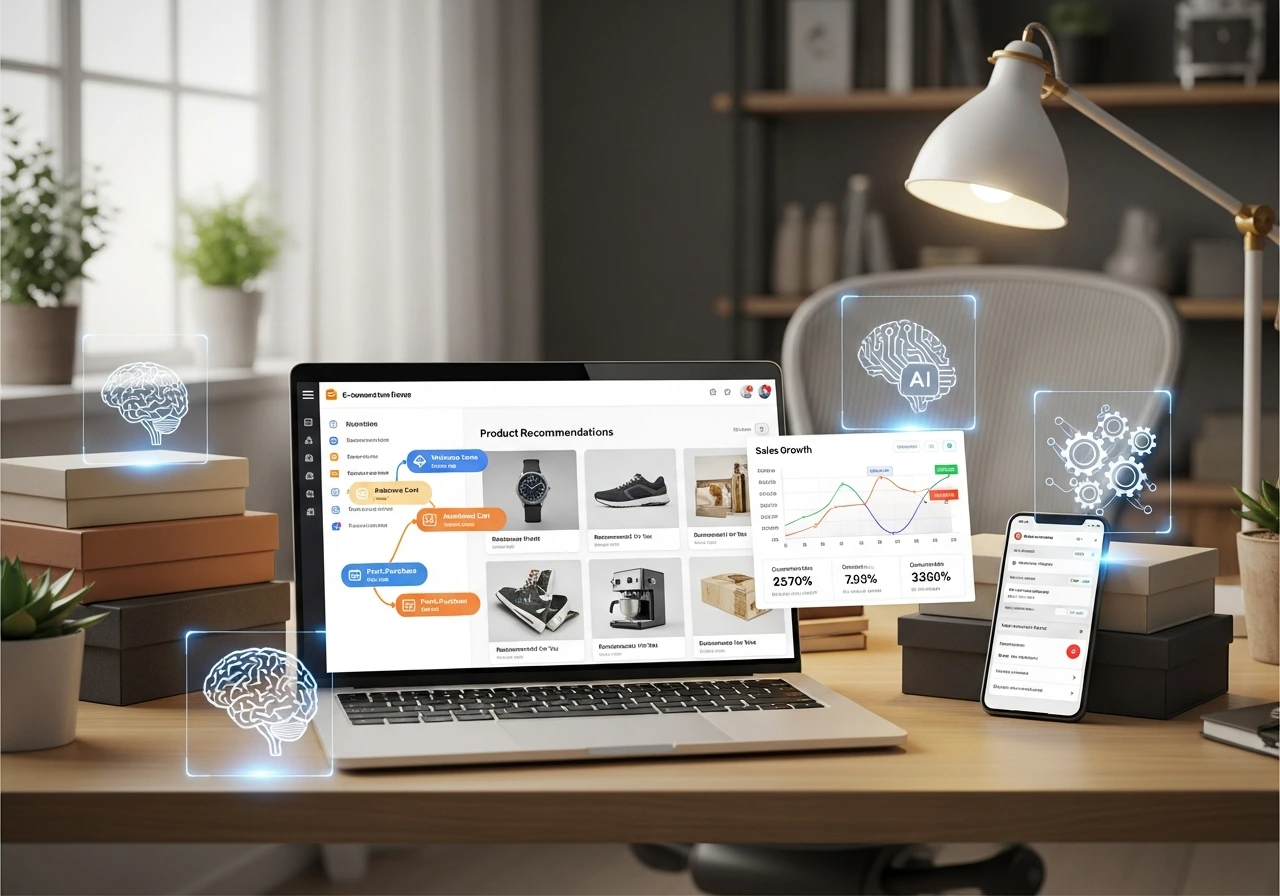
Automation is powerful, but it needs the right structure to work well. These practices help you get the best results.
1. Keep each workflow simple
Clear triggers and steps work better than complicated multi-step flows.
2. Personalize intelligently
Use names, browsing history, and relevancy. Avoid over-personalization that feels intrusive.
3. Test and optimize regularly
A small test in timing, subject lines, layout, or incentives can improve conversions.
4. Map the entire customer journey
Understanding the complete buyer flow helps you create automation that feels natural.
5. Avoid over-messaging
Too many messages can overwhelm customers. Set frequency limits so your brand feels helpful, not intrusive.
Challenges Ecommerce Brands Face in Automation
Every automation system comes with challenges. Knowing them helps avoid common mistakes.
Common Challenges
- Poor segmentation that sends the wrong message to the wrong audience
- Using too many tools that do not integrate well
- Ignoring mobile optimization in emails and landing pages
- Automation that feels robotic instead of human
- Lack of testing and refinement
- Over-reliance on discounts to drive conversions
- Missing first-party data due to weak data collection
Real Examples of Automated Campaigns That Work
Here are quick examples that deliver high results across ecommerce brands.
Example 1: Abandoned cart with urgency
Email 1: Soft reminder
Email 2: Product benefits
Email 3: Incentive and urgency
This sequence lifts conversions significantly.
Example 2: Product recommendation after browsing
Suggest items viewed, related categories, and best sellers.
Example 3: Personalized loyalty tier upgrades
Reward repeat buyers with exclusive perks to increase lifetime value.
Example 4: Birthday automation
A special offer or message that builds emotional loyalty.
Example 5: Post-purchase education flow
Helps customers use the product correctly, reducing returns and improving satisfaction.
Ready to Automate Your Ecommerce Growth?
Marketing automation gives ecommerce brands the power to increase sales, improve customer experience, and reduce manual work. When these workflows are set correctly, your store becomes faster, smarter, and more profitable.
If you want to build a high-converting automation system, contact us. Our expert will connect with you, study your store, and create an automation strategy that improves revenue and customer lifetime value.