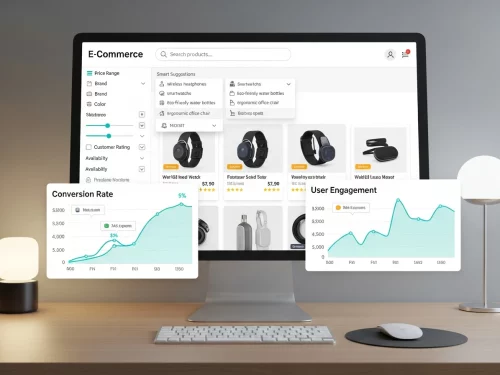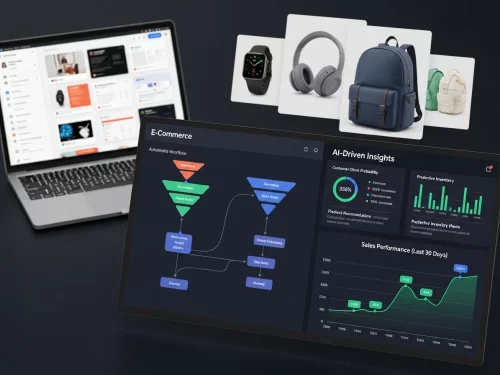

Choosing the right ecommerce search engine is one of the most important decisions you will make for your online store. Product discovery sits at the heart of every purchase journey.
If shoppers cannot find what they want, they leave. If the results feel irrelevant, they lose trust. A strong search engine changes all of that. It makes shopping feel simple, intuitive, and personalised. It also becomes a silent sales driver that improves conversions, average order value, and customer satisfaction without adding friction.

In this guide, you will learn how ecommerce search engines work, which options exist in the market, what features you should prioritise, and how to match the right search technology to your goals and budget.
This is a complete breakdown crafted for merchants who want a search experience that feels fast, intelligent, and built for revenue growth.
Why Ecommerce Search Engines Matter More Than Ever
Search plays a bigger role today because shoppers expect instant answers. When someone types a query into your store, they want results that feel personalised and relevant.
They expect your search bar to understand typos, synonyms, and vague product descriptions. They also expect speed. A delay of even a few seconds is enough for users to abandon their journey and move to a competitor who offers a smoother experience.
A strong ecommerce search engine does far more than match keywords. It helps users navigate large catalogs.
It understands intent. It highlights top-selling items. It improves on-site conversions by guiding shoppers directly to the right products. Most importantly, it becomes a long-term revenue growth asset.
Key Features to Look For in an Ecommerce Search Engine
Before choosing a platform, you must know which features truly matter. Some features improve discovery. Others support merchandising. And some directly influence conversion rate and revenue.
Here is what every high-performing ecommerce search engine should offer.
1. Relevance and Speed
A great ecommerce search engine must be fast and accurate. Shoppers expect instant results. If the engine slows down or misinterprets queries, users get frustrated and exit the site.
Look for these capabilities:
- Millisecond response time
- Intelligent typo tolerance
- Fuzzy matching that understands similar words
- Synonym recognition
- Semantic understanding of queries rather than literal matching
Fast results are essential, but they must also be relevant. The search engine should automatically learn from user behaviour and elevate the right products based on what shoppers consistently click or buy.
2. AI-Driven Personalisation
Modern ecommerce platforms rely heavily on AI to deliver personalised search experiences. Personalisation increases the likelihood of conversion because it tailors results for each shopper.
Key personalisation features include:
- Ranking based on past behaviour
- Recommendations that adapt in real time
- Search results tailored to location, preferences, and purchase history
- Dynamic ranking for trending and popular items
A personalised search journey often increases conversion rate and average order value because it feels intuitive.
3. Merchandising Control and Search Customisation
Your team should have full control over search results. This is important for seasonal promotions, new arrivals, clearance sales, and high-margin products.
Look for tools that let you:
- Boost or bury products manually
- Set prioritisation rules
- Apply logic for specific keywords
- Promote a collection or brand for certain searches
- Pin best sellers to top positions
Merchandising control helps you guide shoppers strategically while keeping their experience smooth.
4. Advanced Filtering and Faceted Navigation
Large catalogs need strong filtering. It must be easy for shoppers to narrow down results by:
- Price
- Colour
- Size
- Brand
- Material
- Availability
- Ratings
Faceted navigation is a core part of the search experience. Without it, users waste time scrolling and feel overwhelmed.
5. Strong Analytics and Search Insights
The best search engines do more than show results. They reveal what your customers want. Search analytics give you a clear picture of demand patterns and gaps in your inventory.
Look for analytics features like:
- Top searched keywords
- Zero result queries
- High-converting search terms
- Search to purchase behaviour flow
- Exit rate after search
- Filter usage and engagement
These insights help you plan inventory, merchandising, and content strategy more accurately.
6. Mobile-Friendly Search Experience
Mobile traffic makes up a large percentage of ecommerce visits. Your search engine must be fully optimised for smaller screens.
Look for:
- Instant auto suggestions
- Large tap targets
- Smooth filter experience
- Minimal load time
- Quick results page layout
A strong mobile search experience can significantly reduce bounce rate and encourage more conversions.
7. Integration and Ease of Implementation
Not all search engines integrate well with every platform. When evaluating options, check:
- Compatibility with Shopify, WooCommerce, Magento, BigCommerce, or custom builds
- API support
- Developer documentation
- Implementation time
- Technical support quality
Ease of setup can influence your decision, especially if your team is small.
Types of Ecommerce Search Engines You Can Choose From
Ecommerce search solutions fall into three major categories. Your choice depends on your budget, team structure, and product catalog complexity.
1. Built-In Platform Search
This is the default search that comes with platforms like Shopify or WooCommerce. It works fine for small stores with simple catalogs, but it has major limitations.
Pros:
- Easy to set up
- No extra monthly cost
- Minimal maintenance
- Works for small catalogs with limited SKUs
Cons:
- No advanced AI
- Poor relevance quality
- Weak filtering options
- Limited control and merchandising
- No personalisation
- Minimal search analytics
This option is ideal only for very small stores that are just getting started.
2. Third-Party Search as a Service Providers
These are advanced external search engines that integrate with your ecommerce platform. They offer the highest accuracy, personalisation, and search intelligence.
Popular SaaS search engines include:
- Algolia
- Klevu
- Searchspring
- Doofinder
- Bloomreach Discovery
- Yext
- Findify
- Coveo
Pros:
- AI-driven relevance
- Fast results
- Intelligent typo handling
- Natural language understanding
- Personalisation features
- Deep analytics
- Strong merchandising tools
- Easy integration across platforms
Cons:
- Monthly subscription fees
- Additional integration work
- Costs increase as traffic grows
SaaS search engines are best for serious ecommerce brands that want to maximise conversions.
3. Open Source Search Engines
These are highly customisable systems that require significant technical expertise.
Popular options include:
- Elasticsearch
- Solr
- Meilisearch
Pros:
- Extremely flexible
- Full control through custom development
- No recurring subscription fees
Cons:
- High developer cost
- Requires ongoing maintenance
- Complex setup
- Not ideal for small teams
Open source systems make sense for enterprises with large engineering departments.
Top Ecommerce Search Engines to Consider in 2026
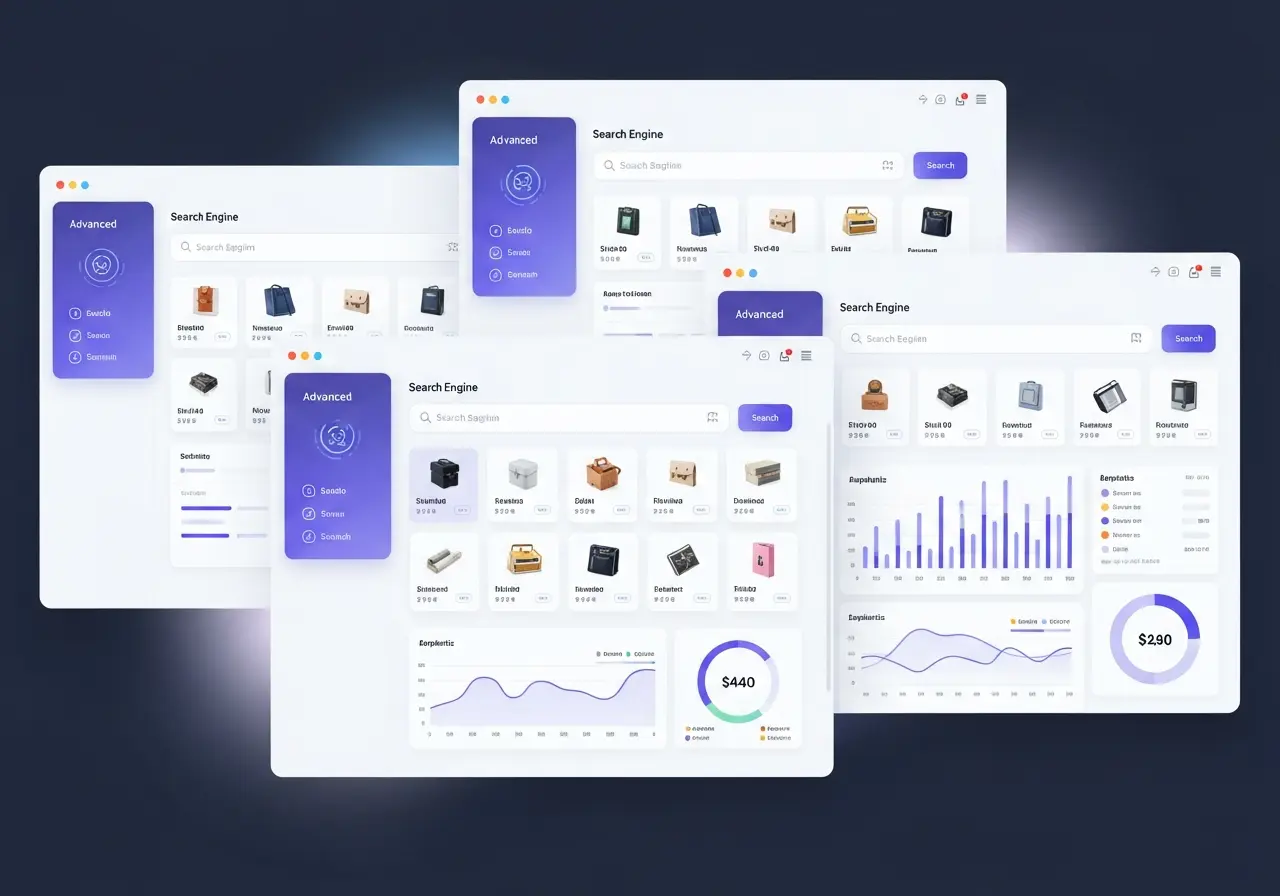
After analysing features, performance, and user feedback, here are the top engines worth evaluating.
1. Algolia
Best for brands that want unmatched speed, AI ranking, and deep customisation.
Highlights:
- Millisecond search results
- AI-powered relevance engine
- Extensive filtering features
- Strong analytics
- Multi-language support
2. Searchspring
Best for merchants who prioritise merchandising control and conversion optimisation.
Highlights:
- Campaign builder for promotions
- Product recommendation engine
- Rich filtering options
- Advanced merchandising rules
3. Klevu
Best for fashion, beauty, lifestyle, and mid-sized ecommerce stores.
Highlights:
- NLP search optimisation
- Self learning AI engine
- Built-in product recommendations
- Strong Shopify and Magento integrations
4. Bloomreach Discovery
Best for enterprise-level brands that want personalisation at scale.
Highlights:
- Deep semantic search
- AI-driven ranking
- Behaviour-based personalisation
- Enterprise-level reporting
5. Doofinder
Best for growing D2C stores looking for a simple, plug-and-play installation.
Highlights:
- Easy setup
- Strong typo tolerance
- Real-time rankings
- Improved conversions without heavy development
How to Choose the Best Search Engine for Your Ecommerce Website
Now that you know your options, here is a simple framework to choose the right search engine.
1. Evaluate Your Catalog Size and Complexity
- Small stores with fewer than 200 SKUs can survive with built-in search.
- Mid-sized stores need SaaS search tools.
- Large catalogs require AI search engines with strong filtering and personalisation.
2. Consider Your Technical Capabilities
- If you lack a technical team, avoid open source systems
- If you have developers and a need for custom logic, open source may be ideal.
3. Match Features to Your Business Model
- If you want personalisation, choose an AI-powered SaaS engine.
- If you need advanced merchandising, choose Searchspring.
- If you want speed and flexibility, choose Algolia.
4. Analyse Your Budget and ROI Expectations
- SaaS tools cost more but produce higher conversion uplift.
- Open source saves subscription costs but requires expensive engineering.
- Built-in search is free, but it limits growth.
5. Confirm Integration Requirements
Your search engine must fully integrate with:
- Your ecommerce platform
- Your product catalog
- Your analytics tools
- Your CDP or CRM (if used)
Poor integration results in inconsistent search performance.
6. Prioritise Personalisation and AI Learning
Search engines that learn from user behaviour deliver higher conversions and better shopping experiences.
7. Test Before Finalising
Always run trials.
Compare relevance, speed, filter usage, and analytics insights.
Use conversion rate uplift as your final decision metric.
Ready To Turn Your Store Search Into Revenue?
If your shoppers struggle to find products, your ecommerce search engine is costing you sales. The right solution makes search feel instant, relevant, and personal, which lifts conversions, average order value, and customer satisfaction.
This is where EvenDigit can support you.
We help ecommerce brands:
- Audit the current search and find revenue leaks.
- Choose the right ecommerce search engine and site search tools.
- Set up better product search features, filters, and rules.
- Connect on-site search SEO with paid and organic traffic for real growth.
If you want your search bar to act more like a smart sales assistant than a basic search box, let’s connect. Our SEO experts will walk you through what to fix, what to upgrade, and how to turn search into a predictable revenue driver.