Concise Summary
Personalized search has become the secret engine behind ecommerce growth. It tailors every shopper’s experience based on behavior, preferences, and intent. When done right, it shortens the path to purchase, raises average order value, and makes customers feel truly understood. This guide breaks down how personalization transforms ecommerce from a static catalog into an intelligent shopping experience.
What Personalized Search Means for Modern Ecommerce?
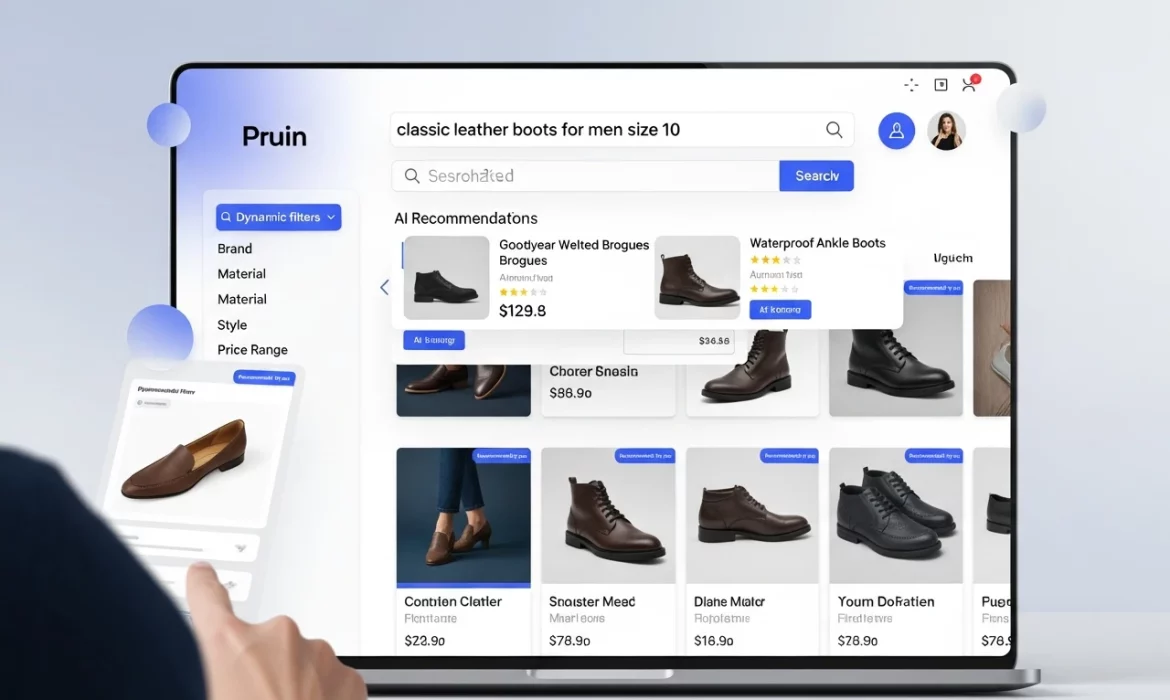
Personalization in ecommerce search is no longer a luxury. It’s the standard shoppers expect every time they type in a search bar. Personalized search tailors product results to each visitor’s preferences, browsing history, and previous purchases.
It goes beyond simple keyword matching, helping users discover products that feel hand-picked for them.
In traditional search, two people typing the same term would see identical results. With personalized search, one might see minimal sneakers, while another sees athletic trainers, depending on what each has browsed before. That difference is what drives higher engagement and sales.
Why Personalized Search Is Changing Ecommerce UX
The online store experience is built on how easily people can find what they want. Personalized search transforms this journey from a hunt into a guided experience that feels intuitive and relevant.
Delivering Relevance in Real Time
AI models analyze clicks, dwell time, and scrolling behavior to learn intent. The next time the user searches, the system already knows which categories or styles they prefer. Showing relevant products instantly reduces friction and keeps users engaged longer.
Reducing Friction Across the Shopping Journey
Personalized filters, auto-suggestions, and predictive text help shoppers reach the right item faster. A user who bought skincare last month might see “hydrating” suggestions before “anti-aging” because the algorithm understands previous choices. A smooth, intuitive journey keeps shoppers satisfied and increases repeat visits.
Turning Search Into Discovery
Sometimes customers don’t know what they want until they see it. Personalized search becomes a discovery tool, surfacing new arrivals or complementary items based on browsing habits. It encourages exploration while maintaining a sense of control for the shopper.
How AI Product Recommendations Power Personalized Search
AI is the core of modern personalization. It observes, learns, and predicts at scale, creating search experiences that feel individually crafted.
Behavior-Driven Personalization
Each click, search, or purchase adds to a behavioral profile. AI uses this data to adjust what appears in future searches. The more a user interacts, the smarter the results become. This approach keeps content fresh and relevant for both new and returning customers.
Contextual and Collaborative Filtering Models
AI recommendation systems rely on models that analyze user behavior across the store. Collaborative filtering compares similar users, while contextual filters focus on current actions and time. If two shoppers often buy similar items, the algorithm may suggest one’s preferred brands to the other, boosting engagement.
Cross-Selling and Upselling Through Smart Search
Personalized results also act as upselling tools. Showing accessories for a laptop or complementary skincare for a moisturizer helps increase average order value. When done right, it feels like helpful advice, not a sales tactic.
The Business Impact of Personalized Search on Ecommerce Growth
Personalized search delivers measurable business outcomes that go beyond aesthetics. It touches every key performance metric, from conversions to customer lifetime value.
Higher Conversion Rates and Lower Bounce Rates
When shoppers find what they want faster, they buy faster. Studies show conversions can increase by over 25% when personalization is applied to search results. The immediate relevance reduces frustration, keeping visitors from leaving too soon.
Increased Average Order Value (AOV)
Personalized search engines can identify logical bundles and present them together. A shopper looking for a dress might see matching heels and jewelry. These subtle prompts encourage larger baskets without feeling pushy.
Building Long-Term Loyalty
Consistency builds trust. When users return and see recommendations that reflect their taste, it signals that the brand understands them. This emotional connection increases the chance of repeat purchases and long-term loyalty.
Advanced Search in Ecommerce: Tools and Techniques
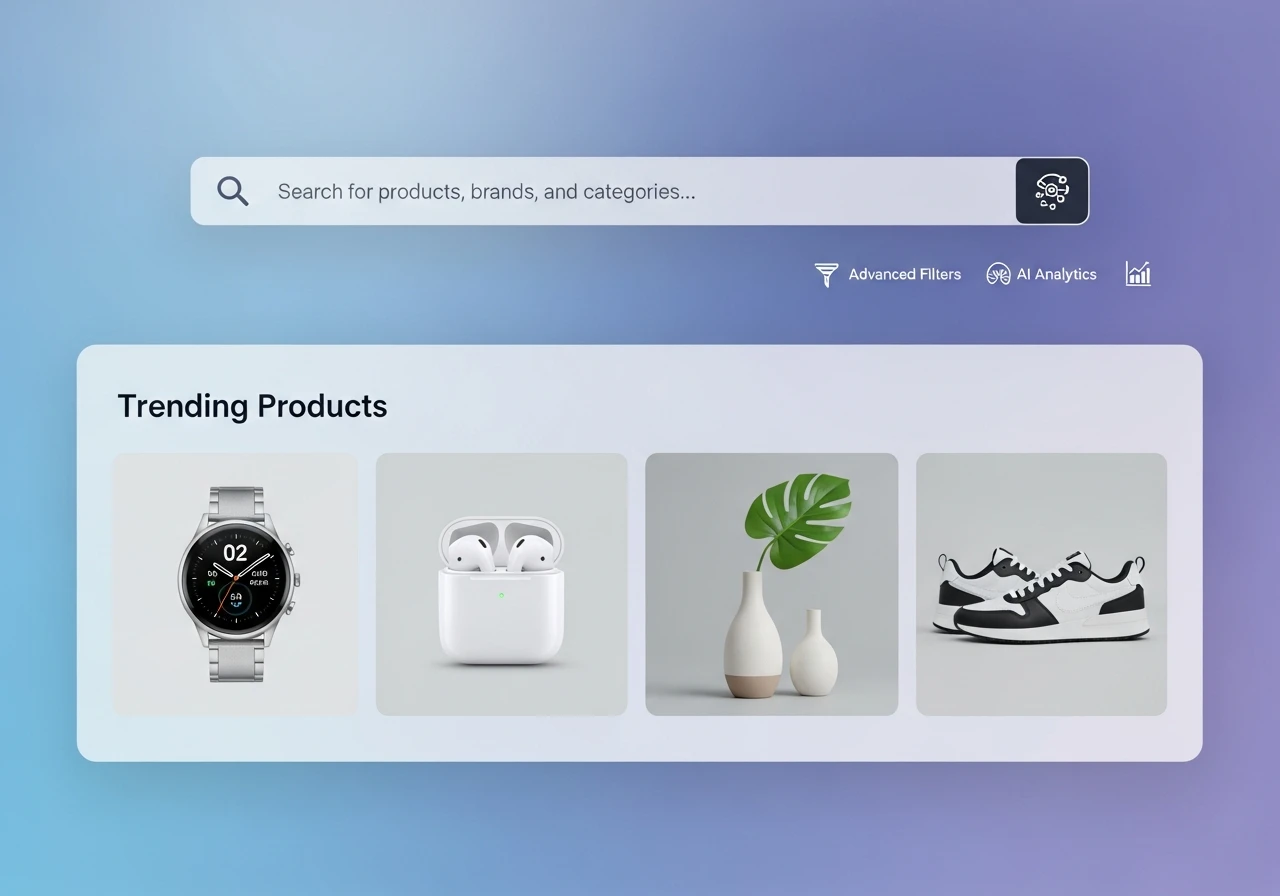
Advanced search solutions make personalization possible at scale. They use AI, machine learning, and natural language processing (NLP) to interpret intent and deliver precision.
Leveraging AI and NLP-Powered Search Engines
Modern tools like Algolia, Klevu, Bloomreach, and Searchspring understand complex phrases such as “blue running shoes under $100.” They go beyond keyword matching to interpret meaning and context. This capability creates a more human-like conversation between the shopper and the site.
Dynamic Facets and Intelligent Filters
Personalized filters adjust dynamically based on behavior. Someone who often selects “size M” will see it pre-selected next time. Filters might also change seasonally or regionally to keep search results aligned with user context.
Visual and Voice Search Personalization
Visual search lets users upload images to discover similar products. Voice search simplifies the process for mobile shoppers. AI learns the tone and patterns in voice queries, adapting recommendations for natural language, such as “show me cozy sweaters like the one I saw last week.”
Implementing Personalized Search in Your Ecommerce Strategy
Personalization begins with understanding your data and building a system that learns continuously. Implementation doesn’t require reinventing the store but rather connecting existing touchpoints.
Data Collection and Segmentation
Start by gathering first-party data ethically through on-site behavior, purchase history, and feedback. Segment users based on patterns like browsing frequency, cart size, or product category interest. Proper segmentation helps create more relevant search responses.
Integration with Product Catalog and CRM
Connect your personalized search engine with inventory systems, CRM, and marketing automation tools. This ensures consistent data flow, keeping recommendations up to date with stock levels, new arrivals, and promotions.
A/B Testing and Continuous Learning
Run tests comparing personalized versus standard search experiences. Measure how each version affects conversion, time on site, and order value. AI thrives on iteration, so constant evaluation helps refine accuracy and relevance.
Measuring Success: KPIs for Personalized Search Performance
Tracking performance is essential to understanding the true ROI of personalization. Metrics reveal how effectively your search engine influences buyer decisions.
| Metric | Measures | Why It Matters |
|---|---|---|
| Conversion Rate | From search to sale | Shows direct sales impact |
| CTR on Search Results | Click-through performance | Indicates relevance |
| Average Order Value (AOV) | Upselling effectiveness | Tracks basket growth |
| Time to Purchase | Efficiency of search | Reflects ease of navigation |
| Repeat Purchase Rate | Return frequency | Measures loyalty strength |
Combine Google Analytics 4 insights with your internal search dashboard to see how personalized queries impact revenue over time.
Challenges and How to Overcome Them
Even the best personalization strategies face obstacles. Awareness and planning can prevent common pitfalls.
- Data Privacy: Ensure compliance with GDPR, CCPA, and other privacy laws. Collect only necessary data and clearly communicate consent.
- Over-Personalization: Avoid making results too narrow. Balance personalization with occasional new or trending items to keep experiences fresh.
- Sparse Data: For new users, use contextual signals like device type or location to offer relevant suggestions.
- Bias in AI Models: Regularly audit your algorithms to prevent favoritism toward certain brands or categories.
Future of Personalized Search in Ecommerce
Personalized search is moving toward predictive and generative capabilities, where the system anticipates what a customer might want next.
Predictive and Generative Search
AI is beginning to generate suggestions even before users search. Predictive engines analyze browsing patterns to surface “next-best” products automatically, turning search into an anticipatory experience.
Hyper-Personalized Voice and Visual Search
As voice commerce and AR shopping expand, personalization will merge with these technologies. Imagine a shopper describing an outfit aloud and the store showing curated options instantly.
Unified Personalization Across Devices
Consistency matters. Whether customers browse from a phone, tablet, or smart display, preferences should sync seamlessly. Unified profiles across devices make each session feel continuous and personal.
EvenDigit Helps Ecommerce Brands Personalize Search
EvenDigit helps ecommerce brands design smarter, more personal shopping experiences. We combine advanced search ecommerce tools with behavioral data to create personalized journeys that boost conversions and loyalty.
Our team integrates AI-powered search engines, builds segmentation frameworks, and ensures ethical data practices that align with both privacy laws and brand trust.
Ready to make your store feel personal? Let EvenDigit craft your AI-driven search strategy and turn every click into a conversation that sells.
FAQs
What is personalized search in ecommerce?
It’s a search system that tailors results to each user’s behavior, preferences, and purchase history.
How do AI product recommendations improve ecommerce UX?
They make search faster, more intuitive, and emotionally engaging by showing relevant products instantly.
What tools support advanced search ecommerce personalization?
Platforms like Algolia, Klevu, Bloomreach, and Wizzy offer NLP, AI ranking, and dynamic filters.
How does personalization increase sales and loyalty?
Relevant recommendations simplify decision-making, leading to quicker purchases and repeat visits.
What privacy measures should businesses take?
Use first-party data, gain explicit consent, and allow users to manage their personalization settings.